Weight loss tips for overweight dogs
Absolutely! Just like humans, overweight dogs can lose weight with the right tips and strategies. Here are some recommendations:
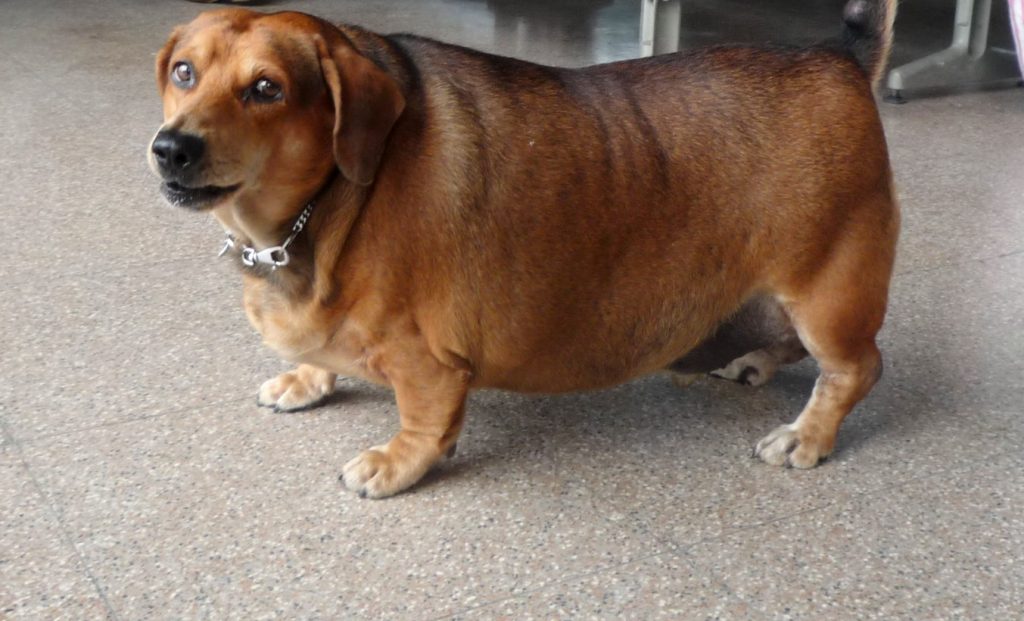
1. Consult a veterinarian: Before starting any weight loss program for your dog, it’s important to consult a veterinarian. They can assess your dog’s overall health, determine an appropriate target weight, and provide tailored advice based on your dog’s specific needs.
2. Measure food portions: It’s crucial to control your dog’s calorie intake. Measure their food portions using a kitchen scale or a measuring cup to ensure they’re not overeating. Follow the feeding guidelines provided by your veterinarian or dog food manufacturer and avoid free-feeding.
3. Choose a balanced diet: Select a high-quality, balanced dog food that is appropriate for weight loss. These foods are often labeled as “weight management” or “reduced calorie.” They provide adequate nutrition while helping your dog lose weight. Avoid giving excessive treats or table scraps, as these can contribute to weight gain.
4. Slow and steady weight loss: Aim for gradual weight loss in your dog. Rapid weight loss can be unhealthy and may lead to other health issues. Your veterinarian can recommend a safe rate of weight loss for your specific dog.
5. Increase physical activity: Regular exercise is essential for weight loss. Increase your dog’s physical activity gradually to avoid strain or injury. Start with low-impact activities such as walks, swimming, or playing fetch. Gradually increase the duration and intensity as your dog gets fitter. Aim for at least 30 minutes to an hour of exercise each day.
6. Provide mental stimulation: Dogs may eat out of boredom or anxiety. Engage your dog in mentally stimulating activities like puzzle toys, interactive games, or training sessions to keep them occupied and prevent unnecessary eating.

7. Monitor portion sizes and adjust: Regularly monitor your dog’s weight and adjust their food portions accordingly. If your dog is not losing weight, you may need to reduce their food intake slightly. On the other hand, if they’re losing weight too quickly, you might need to increase their portions slightly.
8. Stay consistent and patient: Weight loss takes time, and it’s important to stay consistent and patient throughout the process. Stick to the recommended diet and exercise routine, and be consistent with feeding and exercise schedules. Celebrate small victories along the way and consult your veterinarian if you encounter any challenges.
Remember, each dog is unique, so it’s crucial to tailor the weight loss plan to your dog’s individual needs. With the right approach and dedication, you can help your overweight dog achieve a healthier weight and improve their overall well-being.