Are adopted dogs happy? How to understand it from their behavior
Adopted dogs can absolutely be happy and lead fulfilling lives. Like any other dog, their happiness depends on various factors, including their individual temperament, past experiences, current environment, and the care they receive from their adoptive owners. Here are some important points to understand about the emotions and behaviors of adopted dogs:
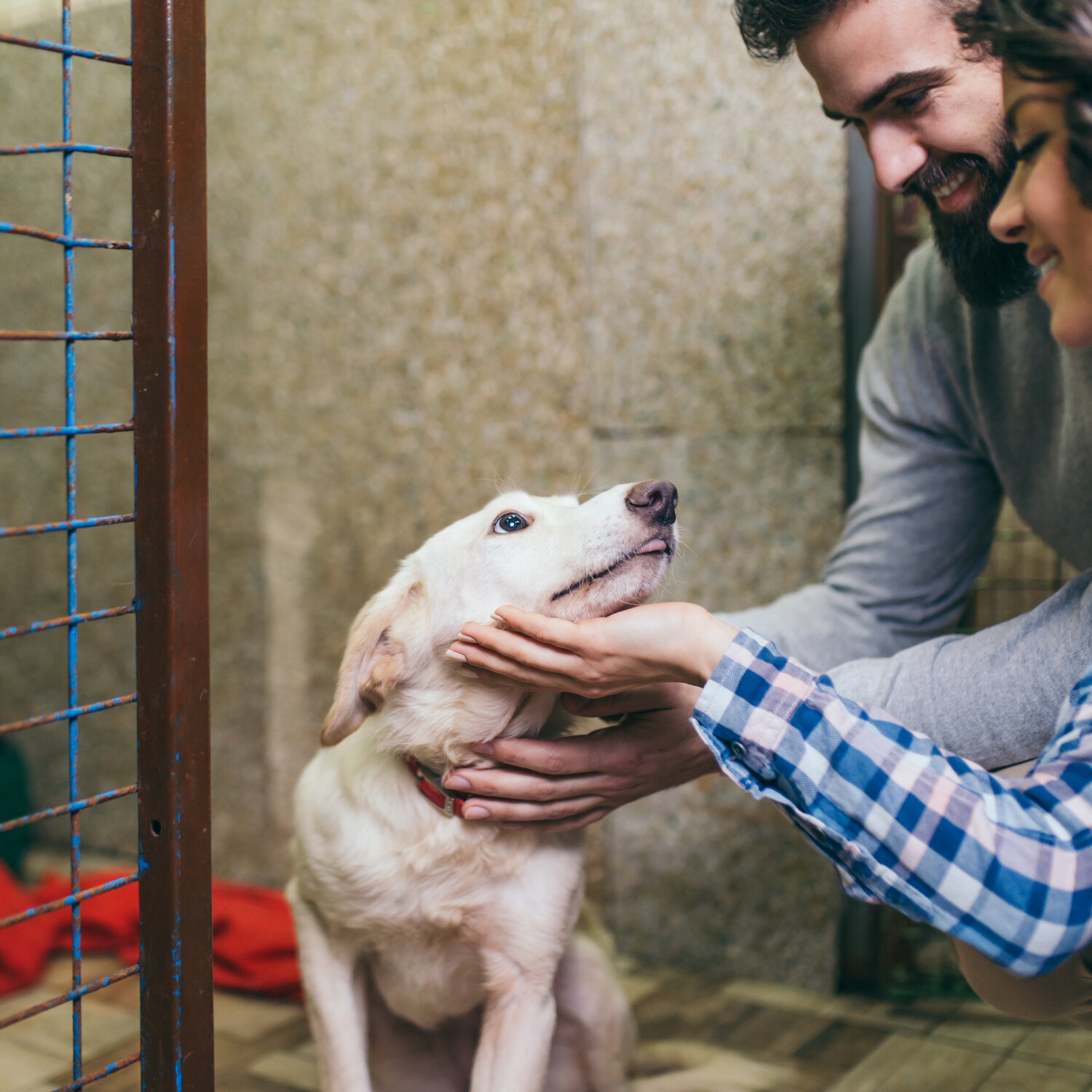
1. Adjustment Period: It is common for adopted dogs to go through an adjustment period when transitioning to a new home. They may initially exhibit signs of anxiety, fear, or confusion as they adapt to their new surroundings. This is a normal part of the process, and with time, patience, and consistent care, most dogs can settle in and become comfortable in their new environment.
2. Resilience: Dogs are known for their ability to adapt and bounce back from difficult situations. Many adopted dogs have overcome challenging circumstances and can go on to live happy lives with their new families. Providing a safe and nurturing environment can help them build trust and feel secure.
:max_bytes(150000):strip_icc()/do-dogs-have-emotions-1829212376-2000-77ef7e0b2a5e4baea42dd5bcb0728085.jpg)
3. Love and Bonding: Adopted dogs have the capacity to form deep and loving bonds with their new owners. By providing consistent care, positive reinforcement, and companionship, you can help strengthen the bond and establish a sense of security and happiness for the dog.
4. Individual Personalities: Just like humans, dogs have unique personalities and temperaments. Some may be naturally more outgoing and exuberant, while others may be more reserved or cautious. It’s important to understand and respect the individual characteristics and needs of each adopted dog, as their happiness can be influenced by their unique traits.
5. Meeting Their Needs: Ensuring the physical, emotional, and mental well-being of an adopted dog is essential for their happiness. This includes providing proper nutrition, regular exercise, mental stimulation, social interaction, and veterinary care. Meeting their basic needs and providing a structured routine helps create a sense of security and contentment.
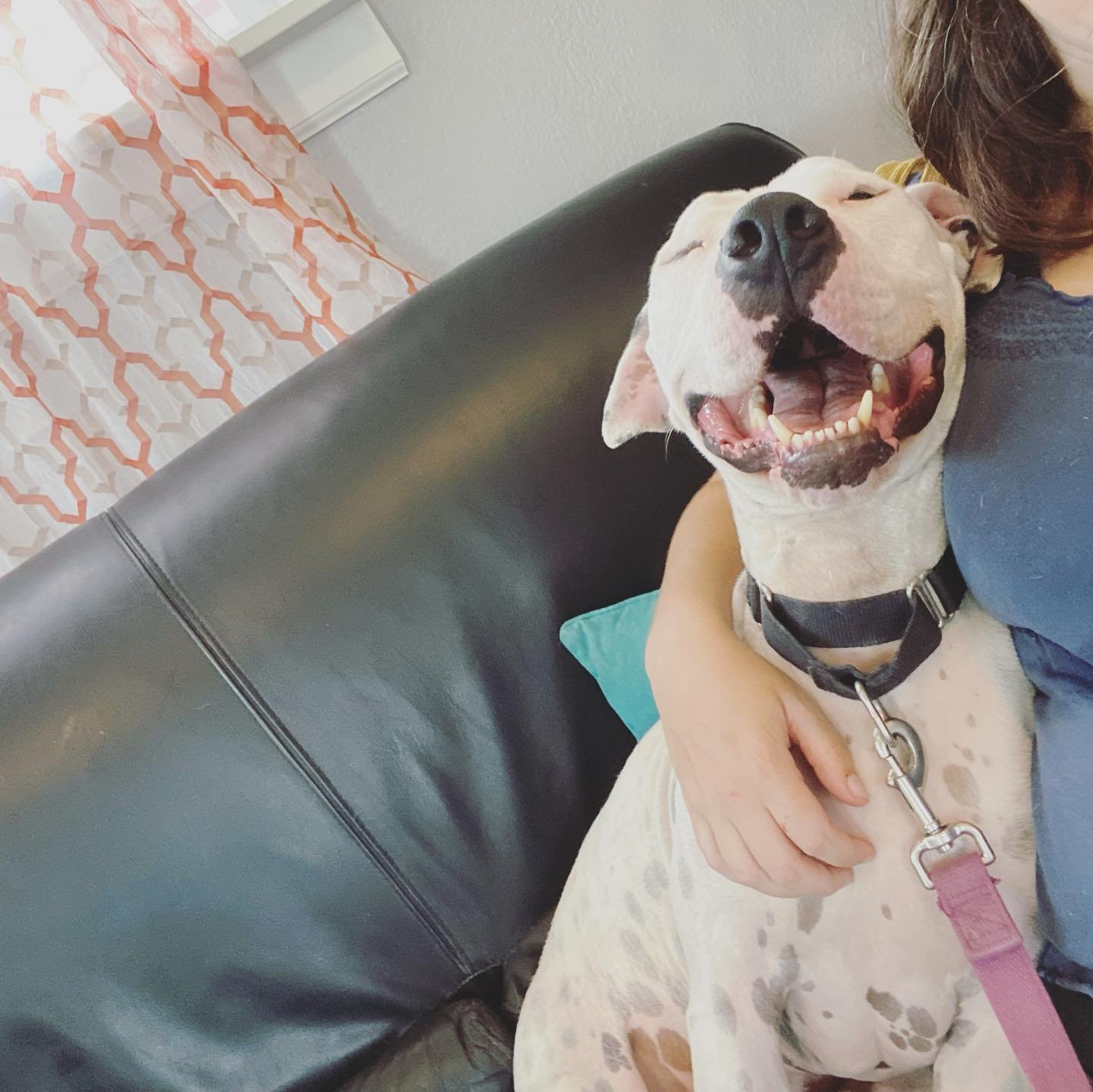
6. Positive Reinforcement Training: Training and positive reinforcement methods help shape a dog’s behavior and build their confidence. Reward-based training methods, such as using treats and praise, can create a positive and enjoyable learning experience for the dog. This contributes to their emotional well-being and strengthens the bond between the dog and their owner.
It’s important to note that each dog is an individual, and their emotional well-being may vary. Some adopted dogs may have experienced trauma or mistreatment in their past, requiring additional patience, understanding, and professional guidance. Consulting with a veterinarian or professional dog trainer can provide further support and guidance specific to your adopted dog’s needs.
By providing a loving and supportive home, addressing their specific needs, and building a strong bond, adopted dogs can certainly experience happiness and lead fulfilling lives as valued members of their new families.


