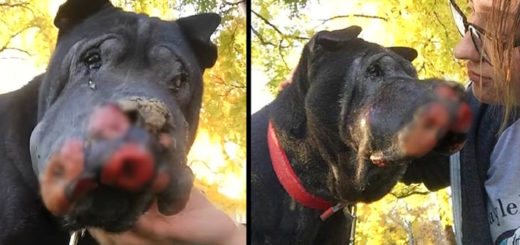
Dog rescues work in various ways, but here is a comprehensive guide outlining the general process and steps involved in dog rescues:
Dog rescues work in various ways, but here is a comprehensive guide outlining the general process and steps involved in dog rescues:
1. Rescue Organizations: Dog rescues are often run by non-profit organizations or dedicated individuals who aim to save and find homes for dogs in need. These organizations may specialize in specific breeds, sizes, or types of dogs.
2. Intake and Assessment: When a dog is brought into a rescue, it undergoes an intake process. This includes a health check, vaccinations, and a behavioral assessment to determine the dog’s needs, temperament, and any necessary medical treatment.
3. Foster Care: Many rescues rely on foster homes to provide temporary care for the dogs. Foster families offer a safe and loving environment where the dog can recover, receive training, and adjust to living in a home. Foster care allows rescues to learn more about the dog’s personality and behavior, which helps in finding the right permanent home.
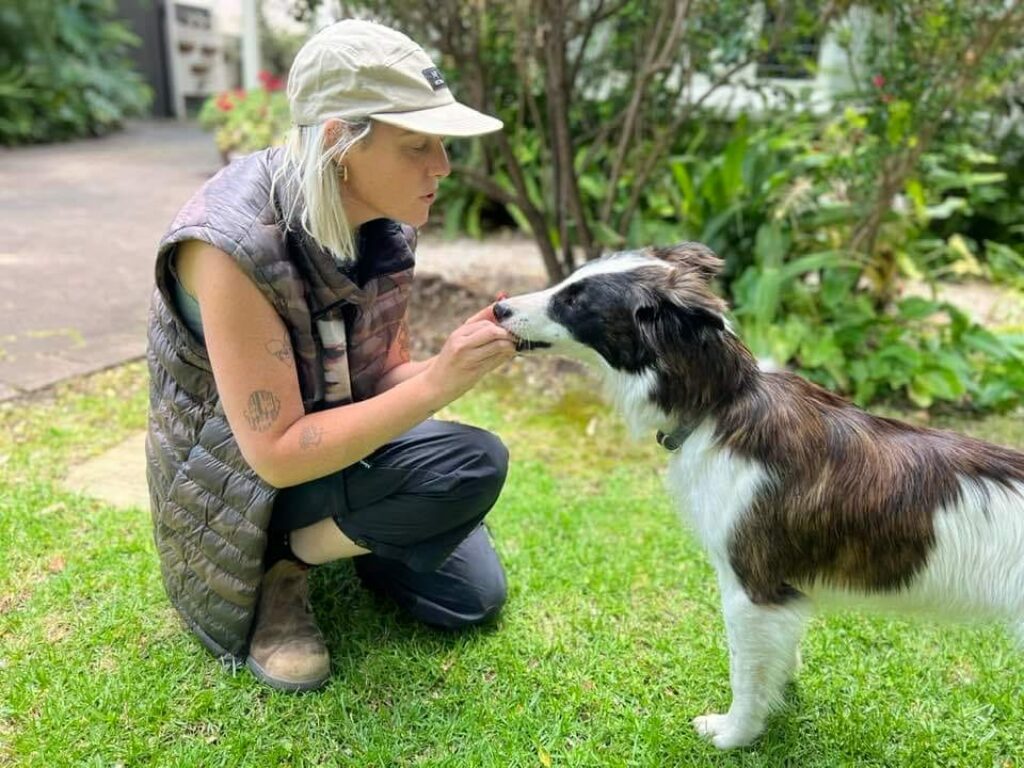
4. Medical Care and Rehabilitation: Dogs in rescues often require medical attention. This includes treatments for injuries, illnesses, vaccinations, spaying/neutering, and parasite control. Dogs may also need rehabilitation or behavior modification if they have experienced trauma or have behavioral issues.
5. Training and Socialization: Rescues work to train and socialize dogs to increase their chances of finding permanent homes. This may involve basic obedience training, addressing behavioral issues, and helping the dog become comfortable around people, other animals, and various environments.
6. Adoption Process: Prospective adopters go through an application and screening process to ensure they can provide a suitable home for a rescued dog. This may involve interviews, home visits, and reference checks. Rescues strive to match the dog’s needs and temperament with the adopter’s lifestyle and preferences.

7. Follow-up and Support: Responsible rescues often provide post-adoption support and follow-up to ensure the dog’s well-being in its new home. This may include advice on training, behavior, and ongoing medical care. Some rescues have a return policy if the adoption doesn’t work out and the dog needs to be rehomed.
8. Fundraising and Volunteer Work: Dog rescues rely on donations, fundraising events, and volunteer efforts to sustain their operations. Volunteers help with tasks such as dog care, transportation, home checks, event organization, and fundraising activities.

It’s important to note that the specific procedures and processes may vary between different dog rescues. If you are interested in getting involved with a dog rescue or adopting a dog, reach out to your local rescues or animal shelters to learn more about their specific guidelines and requirements.