When it comes to distressing dogs in shelters, it’s important to create a calm
When it comes to distressing dogs in shelters, it’s important to create a calm and comfortable environment for them. Dogs in shelters can experience high levels of stress and anxiety due to the unfamiliar surroundings and lack of stability. Here are some effective techniques to help them relax:
1. Provide a Safe Space: Create a designated area within the shelter where dogs can retreat to when they feel overwhelmed. This space should be quiet, cozy, and equipped with comfortable bedding. It can be a crate, a separate room, or even a covered area within their kennel.

2. Enrichment and Mental Stimulation: Engage dogs’ minds and provide mental stimulation to alleviate stress. Use puzzle toys, treat-dispensing toys, or interactive toys that encourage problem-solving. This helps redirect their focus and keeps them engaged.
3. Calming Music and White Noise: Playing calming music or white noise can help drown out external noises and create a soothing atmosphere. There are specially designed playlists and CDs available that are scientifically composed to relax dogs.
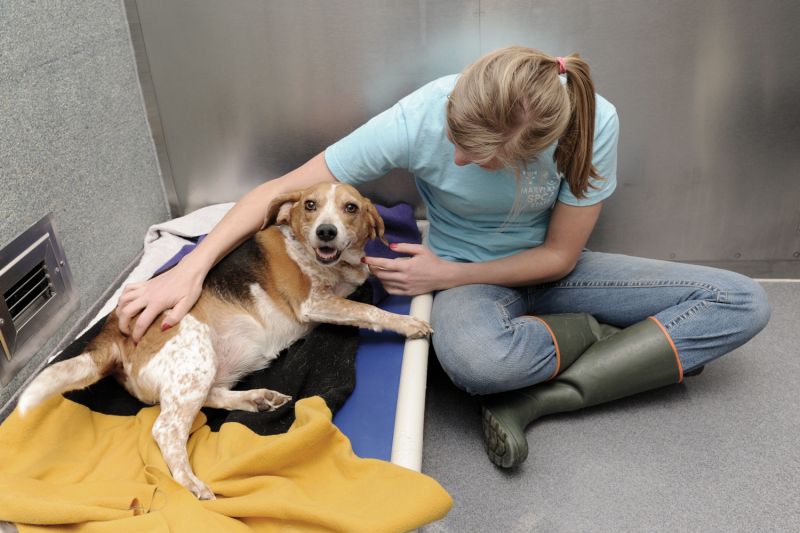
4. Gentle Massage and Touch: Dogs can find comfort in gentle physical touch. If a dog is comfortable with being touched, offer gentle massages or petting sessions. This can help reduce anxiety and promote relaxation. Be mindful of each dog’s individual preferences and body language to ensure they are comfortable with the touch.
5. Scent Therapy: Certain scents, such as lavender or chamomile, have calming effects on dogs. Consider using natural essential oils or pheromone diffusers in the shelter environment. However, it’s important to consult with professionals and follow safe practices when using scents around dogs.
6. Positive Reinforcement Training: Incorporate positive reinforcement training techniques to help dogs feel more confident and secure. Rewarding desired behaviors with treats and praise can build trust and create positive associations.
7. Quiet Time and Low-Stress Handling: Establish designated quiet hours during the day when the shelter environment is kept calm and noise levels are minimized. Implement low-stress handling techniques when interacting with the dogs, focusing on gentle approaches and reducing any unnecessary stressors.
8. Regular Exercise and Playtime: Providing regular exercise and playtime for dogs in shelters helps burn off excess energy and promotes relaxation. Organize structured walks, play sessions, or even supervised group interactions with compatible dogs to help them release tension and socialize.

9. Human Interaction and Socialization: Dogs in shelters often benefit from positive human interaction and socialization. Encourage volunteers and staff members to spend quality time with the dogs, engaging in activities like gentle play, training sessions, or simply sitting calmly nearby to provide companionship.
10. Consistent Routine: Dogs thrive on routine and predictability. Establish a consistent daily routine for feeding, exercise, playtime, and rest periods. This helps create a sense of stability and can reduce stress.

Remember, each dog is unique, and what works for one may not work for another. It’s important to observe their individual behaviors and preferences, and adapt your approach accordingly. Additionally, consulting with animal behavior professionals or trainers experienced in working with shelter dogs can provide further guidance and support in destressing dogs in shelters.


