A Guide. When Introduce Puppies to Other Puppies
Introducing puppies to other puppies is an important socialization process that helps them develop appropriate social skills and behaviors. While there is no one-size-fits-all approach, here is a general guide on when and how to introduce puppies to each other:
1. Age: Puppies can begin socializing with other puppies as early as 8 weeks of age. At this stage, they have usually been weaned from their mother and are ready to start exploring the world and interacting with their peers.
2. Vaccinations: Before introducing puppies to other puppies, it is crucial to ensure that they have received their initial round of vaccinations. Vaccinations protect them against common contagious diseases, reducing the risk of transmission during socialization.

3. Safe Environment: Choose a safe and controlled environment for the puppy introduction. A neutral territory, such as a fenced backyard or a puppy socialization class, can be ideal. Avoid introducing puppies in areas where they might feel territorial, like their own homes.
4. Supervision: Always supervise puppy interactions to ensure their safety and intervene if any aggressive or overly rough behavior occurs. Puppies are still learning appropriate play behaviors, and supervision helps prevent negative experiences that could impact their future social interactions.

5. Gradual Introductions: Begin introductions with one puppy at a time, gradually increasing the number of puppies involved. Start with calm and well-socialized puppies to create positive experiences for your puppy.
6. Positive Reinforcement: Reward good behavior and positive interactions with treats, praise, and play. This encourages puppies to associate socializing with pleasant experiences and helps reinforce appropriate play behavior.
7. Monitoring Body Language: Watch for signs of discomfort or stress in the puppies. These may include growling, raised hackles, stiff body posture, or avoidance behaviors. If you observe any signs of discomfort, separate the puppies and try reintroducing them at a later time or with different playmates.
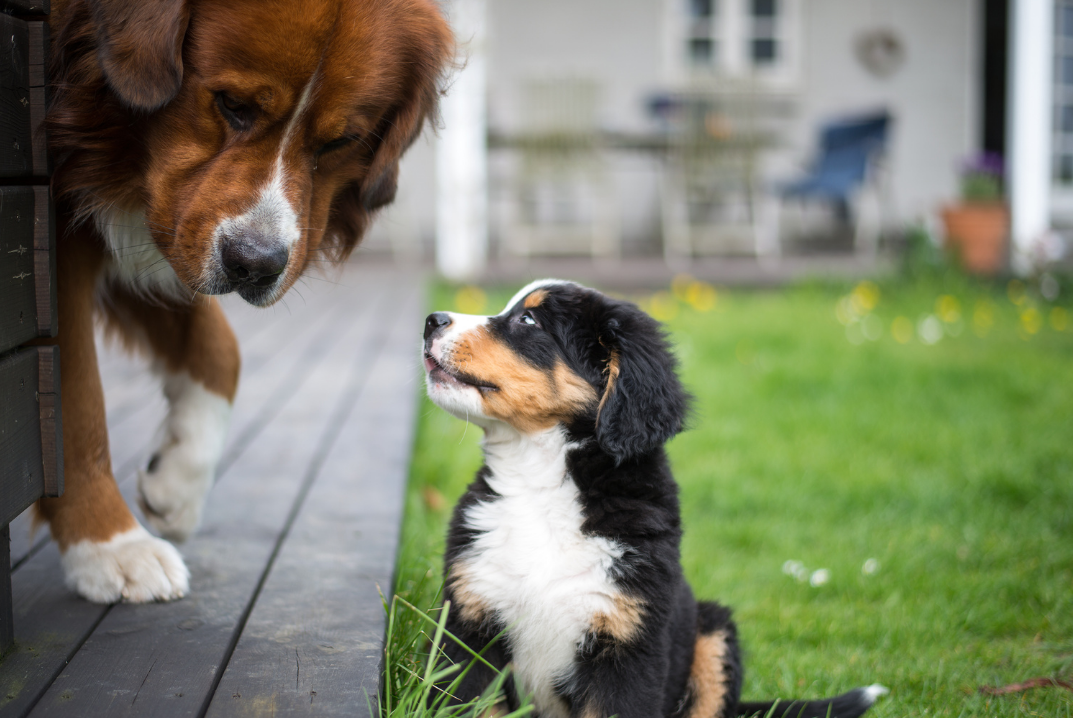
8. Play Styles: Puppies have different play styles, and it’s important to observe whether their play styles are compatible. Some puppies may prefer gentle play, while others may be more rambunctious. As long as their play remains balanced and both puppies are comfortable, they can continue interacting.
9. Time and Patience: Each puppy has a unique personality, and some may require more time to adjust to new social situations. Be patient and allow the puppies to progress at their own pace. Not all puppies will instantly become best friends, but consistent positive experiences can help foster healthy socialization.

Remember that socializing your puppy with other puppies is just one aspect of their overall socialization process. It’s equally important to expose them to various environments, people of different ages and appearances, other animals, and different stimuli to help them become well-rounded and confident adult dogs.