Do Dogs Instinctively Know to Be Gentle with Babies?
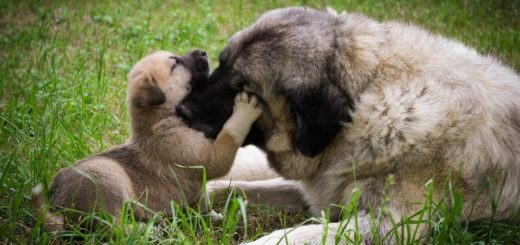
Dogs, as social animals, have instincts and behaviors that can help them interact with various members of their social group, including humans and babies. While individual dogs may vary in their temperaments and experiences, many dogs possess innate instincts that make them naturally gentle and protective around babies. Here are a few factors that contribute to dogs being generally gentle with babies:

1. Pack mentality: Dogs have an inherent understanding of social hierarchies and family dynamics. When a new member, such as a baby, is introduced into the family, dogs may recognize the baby as a vulnerable member of their pack and display protective and nurturing behavior.
2. Maternal/paternal instincts: Female dogs, in particular, may exhibit maternal instincts around babies. This can involve being more attentive, gentle, and protective. Male dogs can also display paternal instincts, though they may vary between individuals.
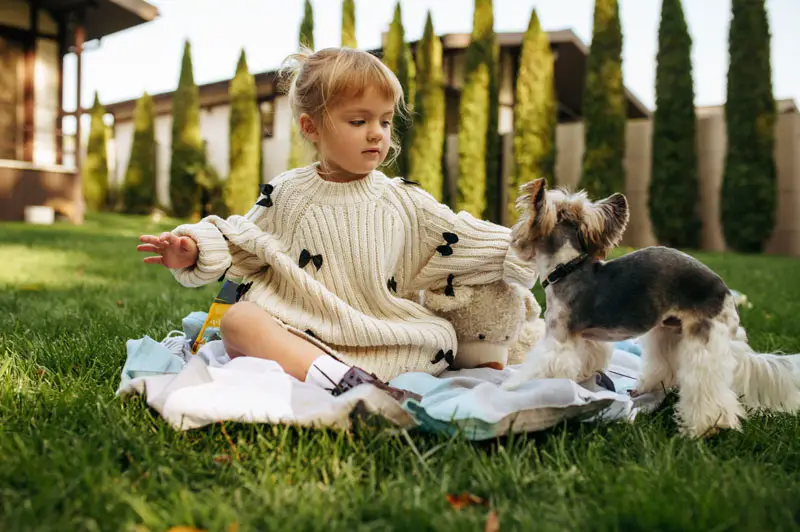
3. Scent recognition: Dogs have a keen sense of smell and can detect the unique scent of a baby. This can help them recognize the baby as part of their family and trigger their nurturing instincts.
4. Body language and cues: Dogs are highly attuned to body language and can sense the fragility of a baby. They may adjust their behavior and be more cautious and gentle around them.

Despite these natural instincts, it’s crucial to remember that individual dogs may have different temperaments, experiences, and levels of exposure to babies. Not all dogs may exhibit the same level of gentleness or comfort around infants. It’s essential to supervise interactions between dogs and babies, ensure the dog is comfortable and well-trained, and take gradual steps to familiarize them with each other to promote a safe and positive relationship.