When it comes to training a friendly dog to be a guard dog, there are several important things to consider. Tips..
It’s crucial to remember that not all dogs are suitable for guard dog training, as certain breeds may be more predisposed to guarding instincts than others. Additionally, it’s important to prioritize the safety and well-being of both the dog and the people around them throughout the training process. Here are some key points to keep in mind:
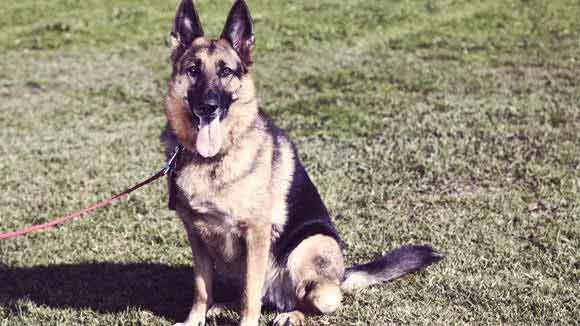
1. Breed Selection: Some breeds have innate guarding instincts and are commonly used as guard dogs, such as German Shepherds, Rottweilers, Doberman Pinschers, and Belgian Malinois. Choosing a breed that has a natural inclination towards guarding behaviors can be beneficial for training purposes.

2. Temperament Assessment: Before beginning guard dog training, it’s crucial to assess the dog’s temperament. Look for traits such as confidence, assertiveness, and a willingness to protect. A friendly dog can be trained to exhibit protective behaviors, but it’s important to ensure they possess the necessary temperament for guard dog work.
3. Professional Assistance: Consider working with a professional dog trainer or a specialized guard dog training facility. They have the knowledge and experience to guide you through the training process safely and effectively. Professional trainers can also assess your dog’s suitability for guard dog training and provide appropriate guidance.
4. Obedience Training: Prioritize basic obedience training before moving on to guard-specific training. Ensure your dog has a solid foundation in commands like sit, stay, come, and heel. A well-trained and obedient dog is easier to manage and control during guard dog training.
5. Socialization: It’s crucial to socialize your dog extensively from a young age. A well-socialized dog is more confident, adaptable, and less likely to exhibit aggression towards people or other animals without appropriate cause. Expose your dog to various environments, people, and animals in a positive and controlled manner.
6. Bite Inhibition: Teach your dog bite inhibition, which involves controlling the force of their bite. This is crucial to ensure that, in guarding situations, your dog understands how to appropriately gauge its bite intensity without causing excessive harm.

7. Controlled Aggression: The training of a guard dog involves teaching controlled aggression, which means the dog should only display protective behaviors when necessary and under your command. Training methods should focus on teaching the dog to differentiate between threats and non-threats.
8. Legal Considerations: Familiarize yourself with the local laws and regulations regarding guard dogs, as some areas may have specific requirements or restrictions. Ensure you comply with all legal obligations, such as licensing, signage, and liability insurance.
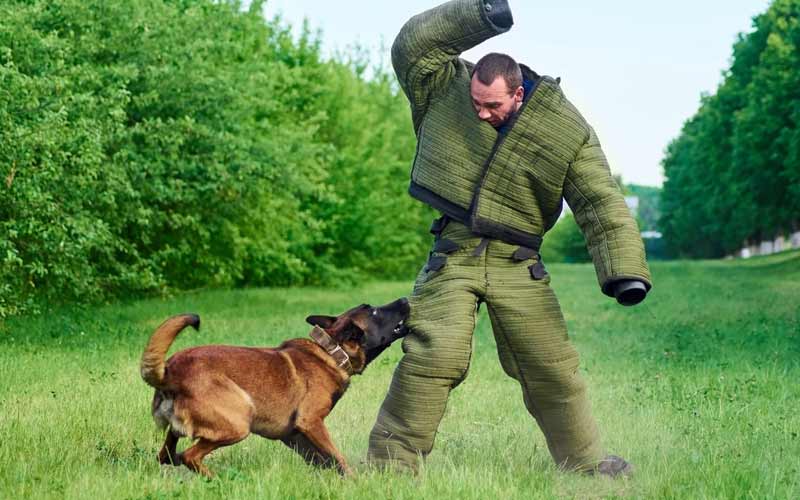
9. Continued Training and Maintenance: Guard dog training requires ongoing reinforcement and maintenance. Regular training sessions and practice are necessary to keep the dog’s skills sharp and ensure they respond appropriately in different scenarios.
Remember, training a dog to be a guard dog should always be approached with caution and respect for the dog’s welfare. Seek professional guidance, be patient, and prioritize the safety of both your dog and others throughout the process.


