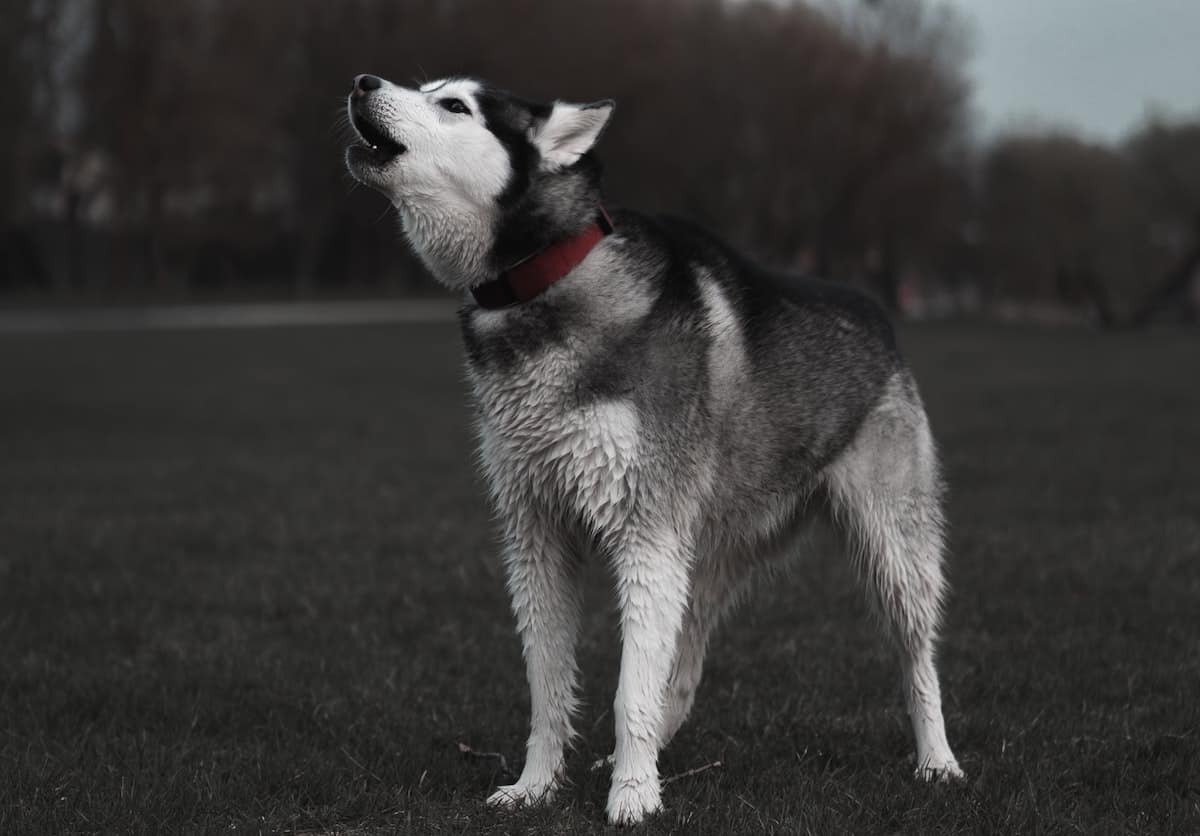
Huskies are known for their talkative nature and vocalizations, which often include howling, barking, and making various other sounds
Huskies are known for their talkative nature and vocalizations, which often include howling, barking, and making various other sounds. Understanding the reasons behind their vocal behavior can help shed light on why Huskies are particularly expressive compared to other breeds. Here are some possible reasons for their talkative nature:
1. Breed Traits: Huskies are working dogs bred for sledding and pulling sleds in challenging Arctic conditions. Their vocalizations were historically important for communication within sled dog teams and with their human handlers. As a result, vocalization became an inherent part of their breed traits and communication repertoire.
2. Social Nature: Huskies are highly social animals and have a strong pack mentality. They often use vocalizations to communicate with their human family members and other dogs. Huskies may howl or bark to get attention, express their emotions, or signal their needs and desires.

3. Strong Prey Drive: Huskies have a strong prey drive due to their background as sled dogs. Their vocalizations can sometimes be triggered by the presence of small animals, such as squirrels or rabbits, as they instinctively want to alert their pack members to potential prey.
4. Boredom or Separation Anxiety: Huskies are intelligent and energetic dogs that require mental and physical stimulation. If they are not provided with enough exercise, playtime, or mental engagement, they may become bored or restless, leading to increased vocalization. Separation anxiety can also contribute to excessive vocalizations when they feel anxious or lonely.

5. Seeking Attention or Interaction: Huskies are known to be social and outgoing. They may use their vocalizations to seek attention, express their desire for interaction, or communicate their excitement or frustration.
It’s important to note that while vocalization is a typical behavior for Huskies, individual dogs can have varying levels of vocal tendencies. Training, socialization, and providing proper outlets for their energy can help manage excessive vocalization and ensure a harmonious relationship with your Husky.

If you have concerns about your Husky’s vocalizations or need assistance with their behavior, consulting with a professional dog trainer or behaviorist can provide valuable guidance tailored to your specific situation.