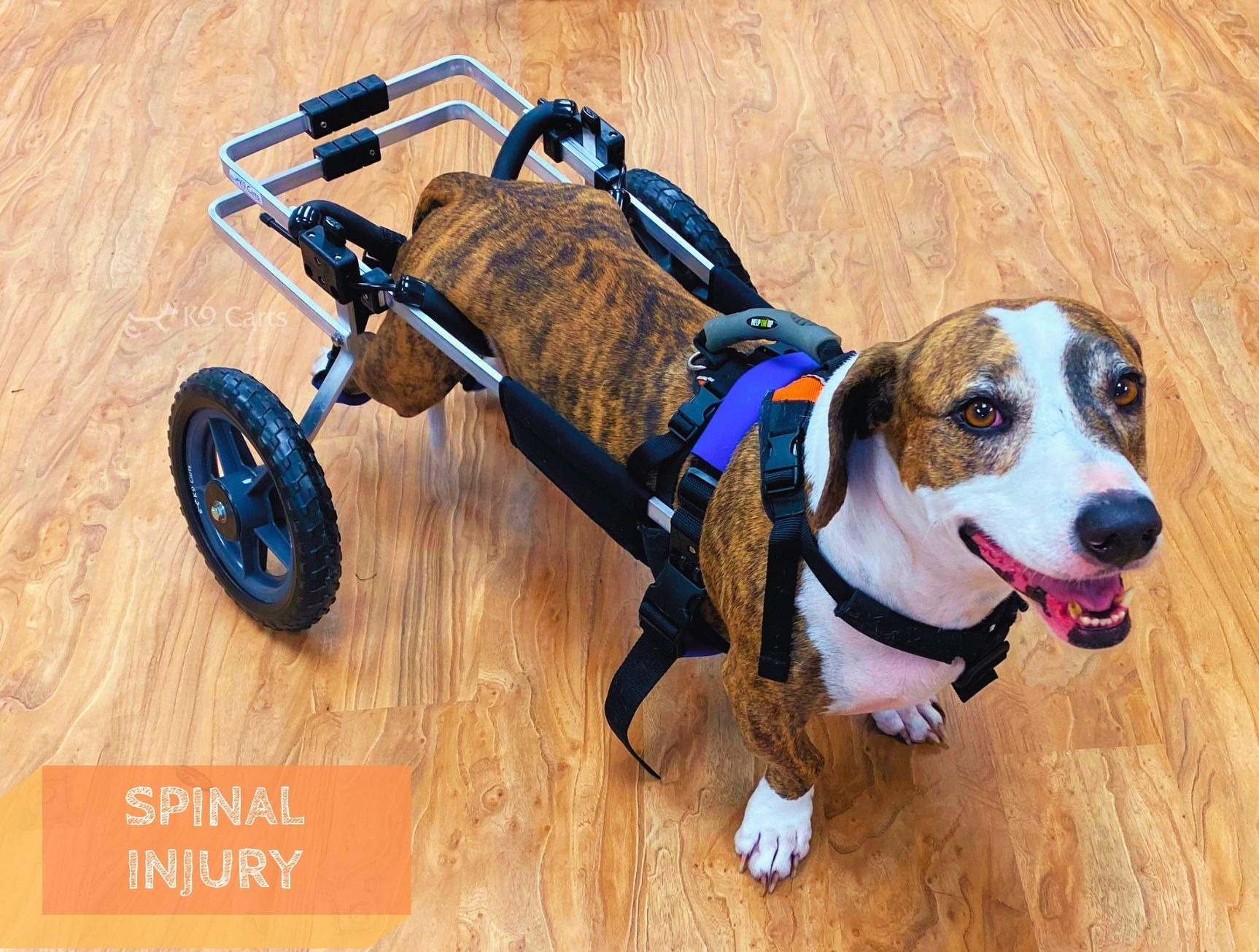
Neurological disorders affecting a dog’s hind legs can have various causes and present with different symptoms
Neurological disorders affecting a dog’s hind legs can have various causes and present with different symptoms. Here are some potential causes and associated symptoms:
1. Intervertebral Disc Disease (IVDD): IVDD is a condition where the discs between the vertebrae in the spine become herniated or degenerate. Symptoms can include hind limb weakness, difficulty walking or standing, pain, and in severe cases, paralysis.
2. Degenerative Myelopathy (DM): DM is a progressive neurological disorder commonly seen in certain dog breeds. It affects the spinal cord and results in hind limb weakness and muscle atrophy over time. Dogs with DM may drag their hind legs, have difficulty getting up or balancing, and develop an abnormal gait.
3. Canine Hip Dysplasia: Although primarily a joint disorder, hip dysplasia can also cause neurological symptoms. Dogs with severe hip dysplasia may experience hind limb weakness, difficulty rising, pain, lameness, and muscle wasting.
4. Fibrocartilaginous Embolism (FCE): FCE occurs when a fragment of fibrous cartilage blocks a blood vessel in the spinal cord. It often leads to sudden and acute hind limb paralysis or weakness. The onset is typically rapid, usually after a traumatic event or vigorous exercise.
5. Cauda Equina Syndrome: This condition involves compression or damage to the nerves at the end of the spinal cord. Symptoms can include hind limb weakness, difficulty urinating or defecating, loss of bladder or bowel control, and pain in the lower back or hindquarters.
6. Spinal Tumors: Tumors in the spinal cord or surrounding structures can cause hind limb symptoms such as weakness, loss of coordination, difficulty walking, and pain. The specific symptoms can vary depending on the tumor’s location, size, and characteristics.
It’s important to note that these are just a few examples, and there are other potential causes of neurological issues in a dog’s hind legs. If you notice any abnormalities or concerns regarding your dog’s mobility, it’s best to consult with a veterinarian for a proper diagnosis and appropriate treatment.